Gas fireplaces have been around for many years. If you don’t have one in your home, the odds are high that you have friends and family members who do. Gas fireplaces are trendy and more convenient than ever. And they’re being installed in many home locations today, not just in the family room.
But how do they work? Are they complicated to operate? Do they use a lot of gas? Let’s answer these and other questions.
Gas Fireplace Efficiency Explained: AFUE, Steady State, & EnerGuide
The word “efficient” can be confusing when it comes to gas fireplaces. Different measurements offer different numbers.
But, let’s define what ‘efficiency’ means when it comes to gas fireplace:
-
- Combustion efficiency is how the heat content of a fuel is transferred into usable heat for your home. If your gas fireplace is 80% efficient, it means 20% is lost (typically up the vent pipe).
- Heat Transfer Efficiency: Imagine a gas fireplace with glowing logs (heat source). The heat needs to move from the logs to the air in your room (colder object). Manufacturers various methods to achieve this, such as insulation material, airflow design, heat exchangers etc.
- AFUE (Annual Fuel Utilization Efficiency): This is like a report card for your fireplace’s efficiency over a year. It considers how much heat you get from the gas you use, even when the fireplace is turned off and cooling down. Most gas fireplaces score between 60-80% on this test.
- Steady State Efficiency: This is like a snapshot of efficiency when the fireplace is already hot and running smoothly. It gives a higher number than AFUE because there’s less heat loss during this stable period.
-
- EnerGuide is a Canadian system that rates gas fireplace efficiency on a scale of 0 to 100. The higher the number, the more efficient the fireplace. It reflects the fireplace’s ability to convert fuel (natural gas or propane) into usable heat for your home.
Back to the question at hand: Are gas fireplaces “efficient”? Most gas fireplace manufacturers will list their products’ with AFUE and Steady State efficiencies. Typically, you will see a range of 60% -80% efficiencies.
Steady State efficiencies are a bit higher than AFUE ratings. The AFUE is a bit more realistic because it considers the element of time. Steady State efficiency ratings are slightly higher than AFUE ratings, as AFUE is a more realistic measurement that factors in the fireplace’s on/off cycles throughout the year.
While gas fireplaces may not reach the high-efficiency levels of modern forced air furnaces, they still offer significant benefits. Most fireplaces consume 65% to 75% less fuel than a typical furnace. This translates to a 10% to 20% lower efficiency, but the cost savings on heating your home are substantial due to the reduced gas consumption with a fireplace.
A free-standing gas stove or a gas fireplace insert will share the same efficiency ratings as gas fireplaces. There is also an insignificant difference between natural and LP gas.
Gas Fireplace Advantages: Zone Heating, Power Outage Backup, & More
You can use your gas fireplace anytime you want to add warmth and ambiance to your home. They’re great for taking the chill off on a cool spring or fall morning, or for creating a cozy atmosphere on a winter night. Here are some additional benefits of gas fireplaces:
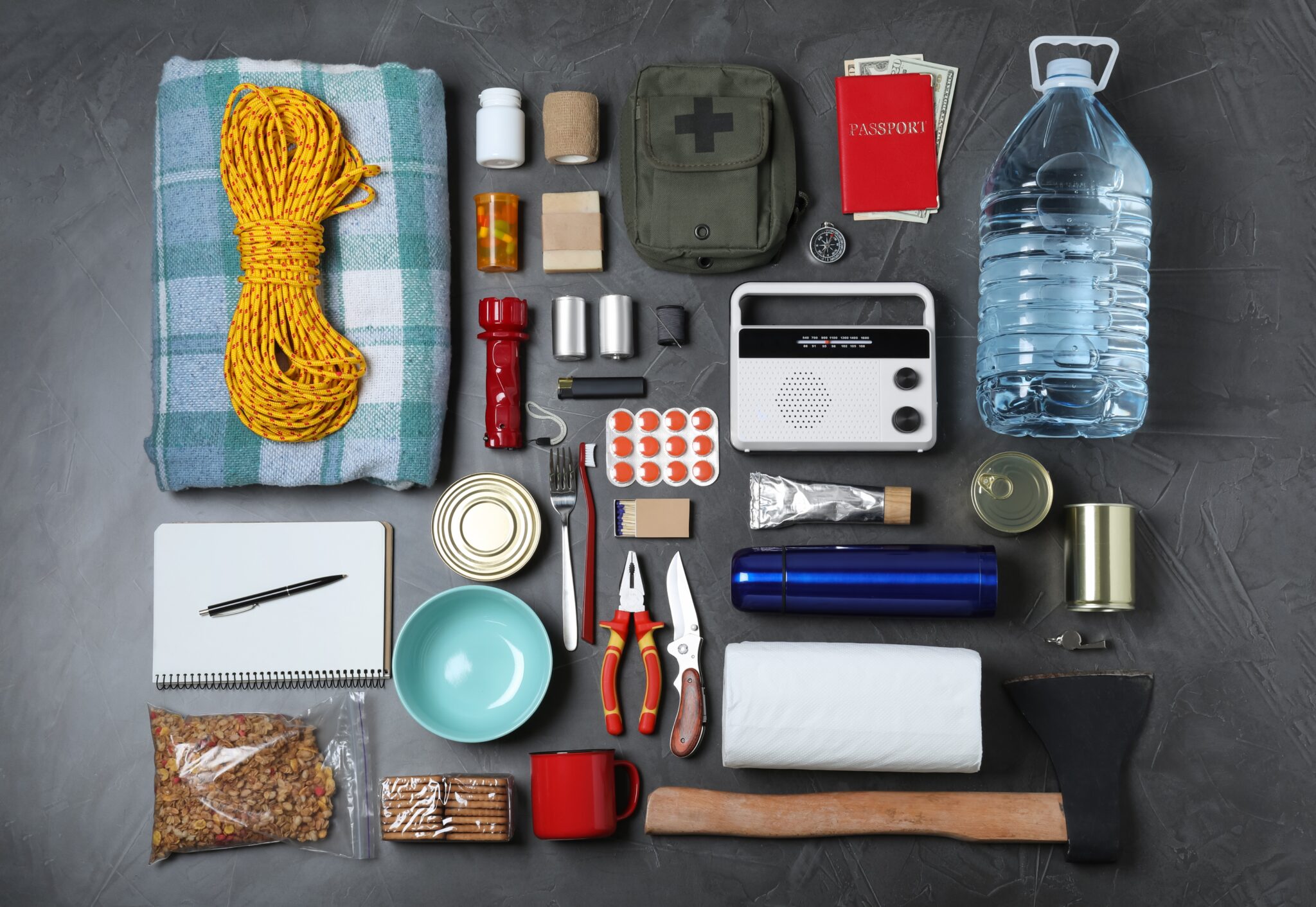
Important: During a power outage, your fireplace’s fan won’t work, but you’ll still enjoy radiant heat from the fire. If your fireplace has an Intermittent Ignition Device (IID), make sure the batteries are fresh. The gas valve relies on battery power to operate during an outage. Millivolt systems don’t require batteries.
Just be sure to follow the manufacturer’s instructions for safe operation and maintenance of your gas fireplace.
Calculating Gas Fireplace Operating Costs
Gas = Heat: The more gas your fireplace burns, the more heat it produces. Most fireplaces allow you to adjust the gas flow for desired warmth. Some do this automatically if they run on a thermostat.
Example: let’s assume a burner size of 30,000 BTU/hour.
Calculating Cost: Here’s how to estimate your operating cost:
- Fuel Type:
- Natural Gas (NG): Measured in therms (1 therm = 100,000 BTUs)
- Propane (LPG): Measured in gallons (1 gallon = 91,500 BTUs)
- Consumption: Each hour uses about 1/3 therm (NG) or 1/3 gallon (LPG).
- Your Rate: Multiply gas used by your current fuel price ($ per therm or gallon).
- Adjust: If your burner is larger/smaller than 30,000 BTUs, adjust the estimate accordingly.
Example: With a 30,000 BTU burner, 2 hours of NG use at $1.00/therm would cost about 54 cents ($0.27/hour).
Important: Fuel prices fluctuate, so this provides a rough estimate for understanding operating costs.
Save Money with a Gas Fireplace: Zone Heating Explained
Yes, gas fireplaces can help lower heating costs through “zone heating”. Since most of your time is spent in a few main rooms, a fireplace allows you to focus heat on those areas instead of running your furnace for the whole house. This uses less gas overall. Additionally, fireplaces are great for taking the chill off during milder seasons when the furnace isn’t always needed.
How it Works:
- Your furnace likely has a much larger burner (80,000+ BTU/hour) than a fireplace (20,000 – 40,000 BTU/hour). By heating smaller zones with the fireplace, you use fewer BTUs, which means lower gas consumption and savings on your heating bills.
Gas Fireplace Construction: Materials & Heat Exchange Systems
- Steel Construction: Gas fireplaces are built from steel, precisely cut and formed using specialized machinery. They come in a wide range of sizes and styles, from traditional to modern linear and even compact portrait designs.
- Heat Exchange: Fireplaces incorporate a convective air chamber (two metal walls with air flowing between). As the burner heats the inner wall, circulating air draws this heat and transfers it into your room.
- Airflow: A small fan beneath the burner pushes the warmed air out. Fan speeds are often adjustable, and a heat sensor automatically turns the fan on/off as needed.
Natural Gas (NG) vs. Propane (LP) Fireplaces: What’s the Difference?
Gas fireplaces run on either natural gas (NG) or liquid propane (LPG). The main difference is in the fuel delivery pressure, which affects the burner regulator and orifice size. Otherwise, the fireplaces function almost identically.
- Appearance: Once warmed up, the flames from NG and LPG look virtually the same. The easiest way to tell is by checking whether you have a propane tank or a natural gas meter connected to your house.
Technical Details: Your fireplace will have a gas supply line (usually ½” or 3/8”) leading to the burner. Burners can be ceramic or tube-style and include a gas valve and control board. The burner is designed with small holes to create that allows the ember material to glow and the flames to dance.
Choosing Between a Gas Fireplace and Gas Insert
Key Points:
- Application: Fireplaces offer more flexibility in placement, while inserts update existing fireplaces.
- Size: Inserts are limited by the existing fireplace opening, fireplaces have a wider range of sizes.
- Functionality: Both provide warmth and ambiance using similar remote controls.
Gas Fireplace Ignition: Pilot Lights and Intermittent Ignition Devices
A pilot light is a small, always-on flame that ignites the main gas burner when you turn your fireplace on. Here’s how it works:
- Ready to Ignite: The pilot light stays lit, ready to ignite the gas flowing to the main burner.
- Starting the Fire: When you turn on the fireplace (remote, switch, thermostat), the gas valve opens, and the pilot light ignites the gas, creating the main fire.
Types of Pilot Lights:
- Intermittent Ignition Device (IID): Creates a spark only when needed, saving gas. Requires batteries to work.
- Millivolt: These generate their own tiny amount of power and don’t need batteries.
Keeping Your Gas Fireplace Glass Clean: Tips & Products
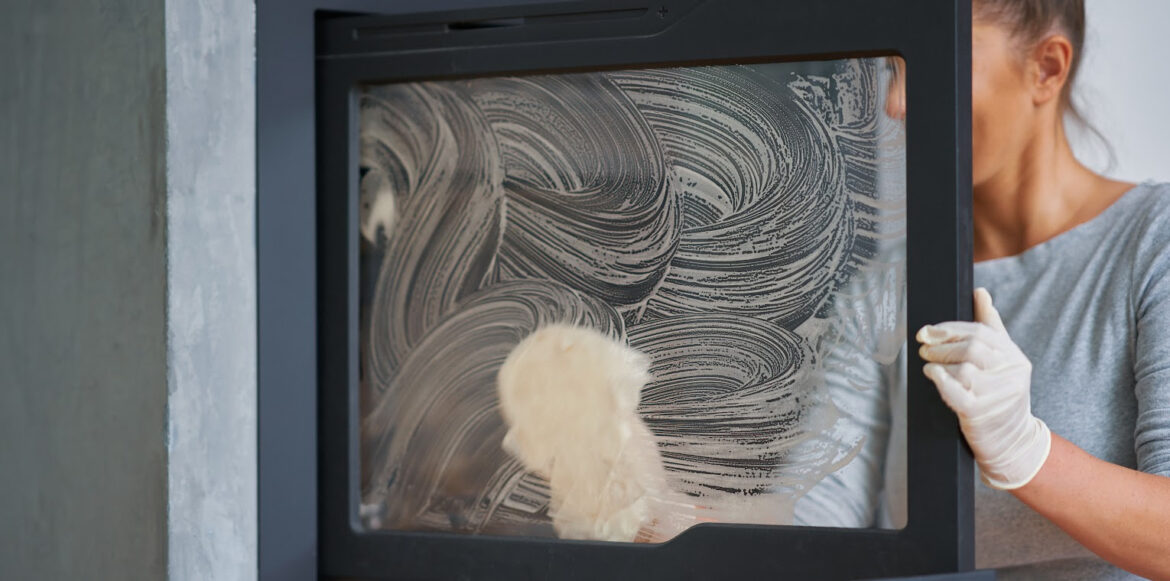
- Glass Type: The glass on most gas fireplaces is a ceramic material. It’s similar to the glass on your electric range in the kitchen. Ceramic glass can withstand very high temperatures, higher than tempered glass. Regardless of the type of glass, it will be sealed to the edge of the firebox with a rope gasket.
- Clear View: Clean the glass inside and out at least once a year for the best view of the flames.
- Proper Cleaner: Use a special gas fireplace glass cleaner (available at your WE LOVE FIRE® dealer). A little goes a long way!
- Important: Avoid scratches! Never use regular household cleaners or clean the glass while it’s hot.
Initial Condensation: Some light condensation on the inside of the glass during initial startup is normal and will disappear as the fireplace warms up.
Safety Note: Never remove the sealed glass while the fireplace is in use. No, you cannot roast marshmallows for s’mores on your gas fireplace. Head to your freezer instead. Go with chocolate extreme brownie ice cream instead!
Understanding Gas Fireplace Venting: Direct Vent Systems Explained
Most gas fireplaces use a direct vent system for safe and efficient operation. Here’s how it works:
- Sealed Combustion: The fireplace draws fresh air from outside through a special vent pipe. This means your indoor air isn’t used for the fire, increasing efficiency.
- Co-axial Vent: This is like a pipe within a pipe.
- Inner Pipe (4 inches): Removes exhaust gases from the fireplace.
- Outer Pipe (7 inches): Brings in fresh air for the fire.
- Venting Options: Direct vent fireplaces can go horizontally through a sidewall or vertically through the roof, giving you installation flexibility.
Versatile Gas Fireplace Installation: Where to Put Yours
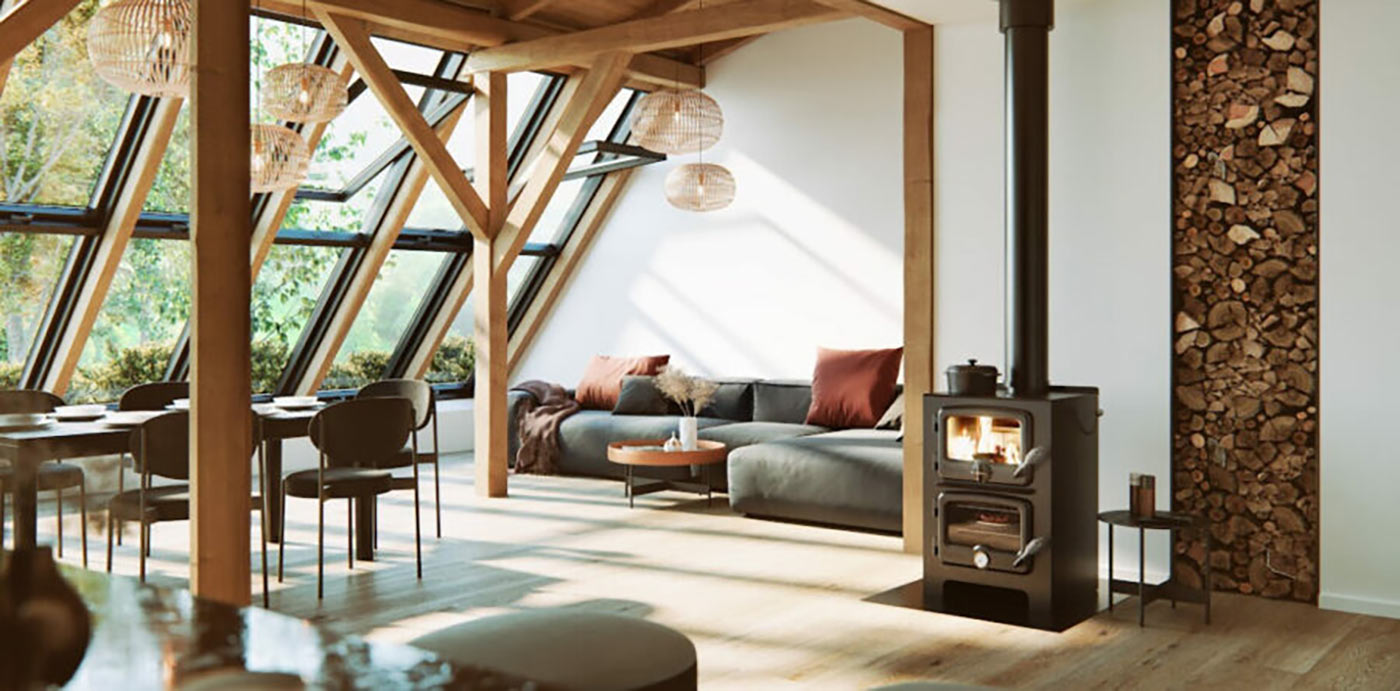
Gas fireplaces are incredibly versatile! As long as you can run a gas line and meet the manufacturer’s venting guidelines, you can add a fireplace to almost any room:
- Bedrooms: For cozy warmth on chilly nights.
- Bathrooms: Create a luxurious spa-like feel.
- Kitchens: A cozy gathering space beyond the cooking area.
- Foyers & Hallways: Add a welcoming touch.
- Home Offices: Boost comfort while you work.
With so many sizes and styles of gas fireplaces available, you’ll find the perfect fit for your space.
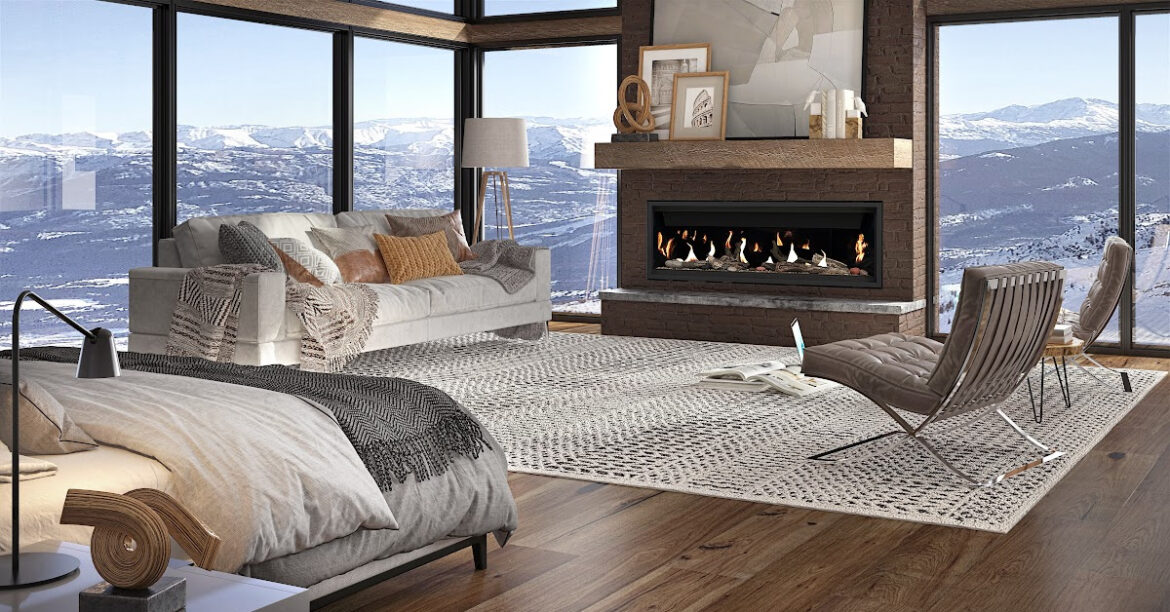
Gas Fireplace Illusion 56 by Ambiance®
Gas Fireplaces as Supplemental Heating: Pros and Cons
It depends on several factors:
- Climate: In mild climates with minimal temperature drops, a larger fireplace might suffice. Harsh winters in colder regions require a more powerful primary heating system.
- House Size & Insulation: A smaller, well-insulated home is easier to heat with a fireplace than a large, older home.
- BTU Output: Gas fireplaces range from 15,000 to 45,000 BTUs/hour. Match the fireplace’s output to your needs.
- Supplemental vs. Primary: Think of a fireplace as providing supplemental heat, not replacing your main furnace. It’s ideal for keeping your most-used spaces comfortable.
Important: Your primary heating system should have enough power to handle the worst-case winter weather in your location.
Gas Fireplace Maintenance: Cleaning Frequency and Professional Service
Gas fireplaces are relatively low-maintenance, but a few simple tasks ensure safety and optimal performance:
- Basic Cleaning: Regularly remove dust and pet hair from the fan area to prevent buildup.
- Battery Check: Replace batteries for the remote and ignition system when you hear a chirp or notice reduced responsiveness.
- Annual Service: Most WE LOVE FIRE® dealers offer annual service plans. This includes:
- Thorough cleaning of all components.
- Gas pressure and fuel-to-air ratio checks.
- Ignition system inspection and replacement of worn parts.
- Wiring and vent system safety checks.
Benefits of Professional Service: Annual maintenance gives you peace of mind, ensuring your fireplace is safe, efficient, and ready for the cold season.
Speaking of professional service, why not visit your local WE LOVE FIRE® friendly expert. They will be glad to show you how to get the most out of your gas fireplace.