Certified Wood Fireplace Inspections: Stay Safe & Compliant

To carry out its mission and promote safety, WETT Inc. has developed the Wood Energy Technical Training program, which produces WETT certified professionals.

WETT’S Mission: Safety First

This program provides training for those who offer wood burning products for sale, those who install and maintain them, and those who conduct inspections of wood burning systems for the general public. The WETT program also officially recognizes and confirms the knowledge and skills acquired through field experiences, WETT course work and self-study by issuing certificates of qualification. You should look for these qualifications when deciding to have your wood burning system installed, inspected and cleaned.

The main objectives of the organization:

  • To develop and promote safe and professional training courses for those involved in the wood burning industry.
  • To maintain a registry of those people who hold valid WETT credentials.
  • To promote the safe and efficient use of wood burning technology.
  • To advance research and education on using wood as an energy source.
  • To foster a professional code of ethics among certificate holders and set expectations for a high level of professional service and conduct toward the public.

It’s also worth noting that WETT does not act as a regulator, nor do they oversee or claim responsibility for the quality of work from their membership. WETT does not assist in resolving any consumer disputes, but they do maintain a database of violations of their code of ethics.

WETT Inspections: What to Expect

So, let’s focus on inspections. A typical home review from an inspection company would include a visual inspection of the fireplace, hearth and chimney. So, what kind of technical subjects is a WETT Certified Inspector proficient at? A WETT inspection goes well beyond a general “look-see”. To start with, a WETT inspector will ensure your wood burning system is installed to comply with all appropriate building codes and manufacturer requirements.

A WETT inspection includes a visit to the roof to examine the chimney for any potential structural or other issues. The inspection could consist of closely examining the wood stove, connector pipe, chimney system, clearance to combustible materials and more. You’ll find comfort in knowing that a knowledgeable, experienced, licensed individual has carefully looked over your entire wood burning system, not just a quick visual look at the appliance, hearth and chimney.

Let’s briefly explain the three levels of WETT inspections. Level 1 is a Visual or Readily Accessible Inspection. Readily Accessible is defined as “quickly or easily reached” for inspection. A Level 1 inspection does not require special tools for opening and removing any doors, coverings or system components. An inspector will ensure clearances to combustibles are met, will open stove or fireplace doors, check accessible dampers and clean out doors, and visually inspect the chimney from the ground.

Level 2 is called a Technical or Accessible Inspection. “Accessible” is explained as being able to reach, without invasive methods, the areas of the building that contain the components of a wood burning system. This may include removing a door, panel or other component, taking apart connector pipes, entering the attic or accessing the chimney from the roof. Accessed building or system components can be repositioned to their original condition.

Level 3 inspections are called Invasive or Concealed Accessibility Inspections. Level 3 inspections are needed when access must be gained by invasive methods. This might include opening walls and ceilings, disassembly work on masonry or prefab chimney systems, or examining a chimney liner. In a Level 3 Inspection, it’s not possible to return the property or a component to its original condition without significant repairs. Based on needs, the WETT Inspector may use drills, saws, video scanning or other equipment. WETT inspectors will get an agreement in writing from the homeowner before any invasive measures are taken.

The Importance of WETT- Certified Inspections

The bottom line for a certified, professional inspection of your home in Canada is the safety of you, your family and your property. Whether it’s a fireplace, stove, fireplace insert, pellet stove or outside boiler, it’s important that these appliances have been correctly installed and are regularly inspected and maintained.

In Canada, WETT inspections are required as part of the home insurance process. Insurance companies require homes using wood burning appliances to be thoroughly examined by a certified professional before they can be insured. Many homeowners first become aware of WETT inspections because of this insurance requirement.

A WETT inspection will tell you whether your wood burning appliance is operating correctly, is in good structural condition, and burns wood in a way that does not compromise health and safety.

You can verify that a person is WETT certified by visiting this website or calling (888) 358-9388. We all know that fire can be a threat to any home, particularly one that is burning wood in the living room. The reassurance and peace of mind that comes with a WETT Certification is something you’ll not only appreciate, but that will bring comfort to your entire family.

Please note that your local WE LOVE FIRE® dealer is either fully WETT accredited or can recommend someone in your area for an inspection.
Gas Fireplace Efficiency: How to Maximize Savings

Gas Fireplace Efficiency: How to Maximize Savings

Gas fireplaces have been around for many years. If you don’t have one in your home, the odds are high that you have friends and family members who do. Gas fireplaces are trendy and more convenient than ever. And they’re being installed in many home locations today, not just in the family room.

But how do they work? Are they complicated to operate? Do they use a lot of gas? Let’s answer these and other questions.

Gas Fireplace Efficiency Explained: AFUE, Steady State, & EnerGuide

The word “efficient” can be confusing when it comes to gas fireplaces. Different measurements offer different numbers.

But, let’s define what ‘efficiency’ means when it comes to gas fireplace:

    • Combustion efficiency is how the heat content of a fuel is transferred into usable heat for your home. If your gas fireplace is 80% efficient, it means 20% is lost (typically up the vent pipe).
    • Heat Transfer Efficiency: Imagine a gas fireplace with glowing logs (heat source). The heat needs to move from the logs to the air in your room (colder object). Manufacturers various methods to achieve this, such as insulation material, airflow design, heat exchangers etc.
    • AFUE (Annual Fuel Utilization Efficiency): This is like a report card for your fireplace’s efficiency over a year. It considers how much heat you get from the gas you use, even when the fireplace is turned off and cooling down. Most gas fireplaces score between 60-80% on this test.
    • Steady State Efficiency: This is like a snapshot of efficiency when the fireplace is already hot and running smoothly. It gives a higher number than AFUE because there’s less heat loss during this stable period.
    • EnerGuide is a Canadian system that rates gas fireplace efficiency on a scale of 0 to 100. The higher the number, the more efficient the fireplace. It reflects the fireplace’s ability to convert fuel (natural gas or propane) into usable heat for your home.

Back to the question at hand: Are gas fireplaces “efficient”? Most gas fireplace manufacturers will list their products’ with AFUE and Steady State efficiencies. Typically, you will see a range of 60% -80% efficiencies.

Steady State efficiencies are a bit higher than AFUE ratings. The AFUE is a bit more realistic because it considers the element of time. Steady State efficiency ratings are slightly higher than AFUE ratings, as AFUE is a more realistic measurement that factors in the fireplace’s on/off cycles throughout the year.

While gas fireplaces may not reach the high-efficiency levels of modern forced air furnaces, they still offer significant benefits. Most fireplaces consume 65% to 75% less fuel than a typical furnace. This translates to a 10% to 20% lower efficiency, but the cost savings on heating your home are substantial due to the reduced gas consumption with a fireplace.

A free-standing gas stove or a gas fireplace insert will share the same efficiency ratings as gas fireplaces. There is also an insignificant difference between natural and LP gas.

Gas Fireplace Advantages: Zone Heating, Power Outage Backup, & More

You can use your gas fireplace anytime you want to add warmth and ambiance to your home. They’re great for taking the chill off on a cool spring or fall morning, or for creating a cozy atmosphere on a winter night. Here are some additional benefits of gas fireplaces:

Important: During a power outage, your fireplace’s fan won’t work, but you’ll still enjoy radiant heat from the fire. If your fireplace has an Intermittent Ignition Device (IID), make sure the batteries are fresh. The gas valve relies on battery power to operate during an outage. Millivolt systems don’t require batteries.

Just be sure to follow the manufacturer’s instructions for safe operation and maintenance of your gas fireplace.

Calculating Gas Fireplace Operating Costs

Gas = Heat: The more gas your fireplace burns, the more heat it produces. Most fireplaces allow you to adjust the gas flow for desired warmth. Some do this automatically if they run on a thermostat.

Example: let’s assume a burner size of 30,000 BTU/hour.

Calculating Cost: Here’s how to estimate your operating cost:

  1. Fuel Type:
  • Natural Gas (NG): Measured in therms (1 therm = 100,000 BTUs)
  • Propane (LPG): Measured in gallons (1 gallon = 91,500 BTUs)
  1. Consumption: Each hour uses about 1/3 therm (NG) or 1/3 gallon (LPG).
  2. Your Rate: Multiply gas used by your current fuel price ($ per therm or gallon).
  3. Adjust: If your burner is larger/smaller than 30,000 BTUs, adjust the estimate accordingly.

Example: With a 30,000 BTU burner, 2 hours of NG use at $1.00/therm would cost about 54 cents ($0.27/hour).

Important: Fuel prices fluctuate, so this provides a rough estimate for understanding operating costs.

Save Money with a Gas Fireplace: Zone Heating Explained

Yes, gas fireplaces can help lower heating costs through “zone heating”. Since most of your time is spent in a few main rooms, a fireplace allows you to focus heat on those areas instead of running your furnace for the whole house. This uses less gas overall. Additionally, fireplaces are great for taking the chill off during milder seasons when the furnace isn’t always needed.

How it Works:

  • Your furnace likely has a much larger burner (80,000+ BTU/hour) than a fireplace (20,000 – 40,000 BTU/hour). By heating smaller zones with the fireplace, you use fewer BTUs, which means lower gas consumption and savings on your heating bills.

Gas Fireplace Construction: Materials & Heat Exchange Systems

  • Steel Construction: Gas fireplaces are built from steel, precisely cut and formed using specialized machinery. They come in a wide range of sizes and styles, from traditional to modern linear and even compact portrait designs.
  • Heat Exchange: Fireplaces incorporate a convective air chamber (two metal walls with air flowing between). As the burner heats the inner wall, circulating air draws this heat and transfers it into your room.
  • Airflow: A small fan beneath the burner pushes the warmed air out. Fan speeds are often adjustable, and a heat sensor automatically turns the fan on/off as needed.

Natural Gas (NG) vs. Propane (LP) Fireplaces: What’s the Difference?

Gas fireplaces run on either natural gas (NG) or liquid propane (LPG). The main difference is in the fuel delivery pressure, which affects the burner regulator and orifice size. Otherwise, the fireplaces function almost identically.

  • Appearance: Once warmed up, the flames from NG and LPG look virtually the same. The easiest way to tell is by checking whether you have a propane tank or a natural gas meter connected to your house.

Technical Details: Your fireplace will have a gas supply line (usually ½” or 3/8”) leading to the burner. Burners can be ceramic or tube-style and include a gas valve and control board. The burner is designed with small holes to create that allows the ember material to glow and the flames to dance.

Choosing Between a Gas Fireplace and Gas Insert

Key Points:

  • Application: Fireplaces offer more flexibility in placement, while inserts update existing fireplaces.
  • Size: Inserts are limited by the existing fireplace opening, fireplaces have a wider range of sizes.
  • Functionality: Both provide warmth and ambiance using similar remote controls.

Gas Fireplace Ignition: Pilot Lights and Intermittent Ignition Devices

A pilot light is a small, always-on flame that ignites the main gas burner when you turn your fireplace on. Here’s how it works:

  1. Ready to Ignite: The pilot light stays lit, ready to ignite the gas flowing to the main burner.
  2. Starting the Fire: When you turn on the fireplace (remote, switch, thermostat), the gas valve opens, and the pilot light ignites the gas, creating the main fire.

Types of Pilot Lights:

  • Intermittent Ignition Device (IID): Creates a spark only when needed, saving gas. Requires batteries to work.
  • Millivolt: These generate their own tiny amount of power and don’t need batteries.

Keeping Your Gas Fireplace Glass Clean: Tips & Products

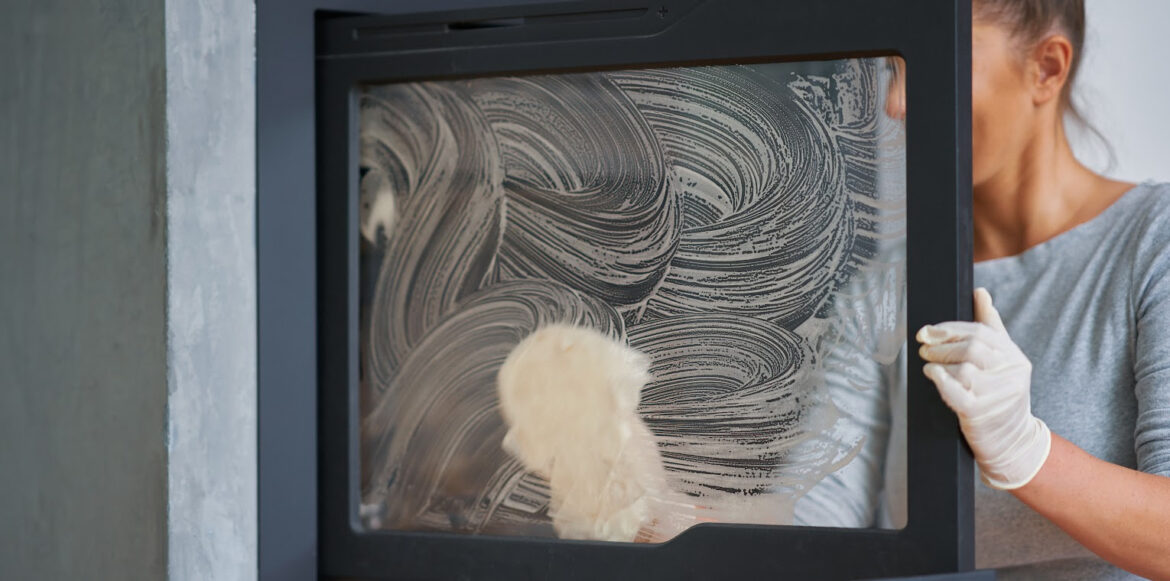
  • Glass Type: The glass on most gas fireplaces is a ceramic material. It’s similar to the glass on your electric range in the kitchen. Ceramic glass can withstand very high temperatures, higher than tempered glass. Regardless of the type of glass, it will be sealed to the edge of the firebox with a rope gasket.
  • Clear View: Clean the glass inside and out at least once a year for the best view of the flames.
  • Proper Cleaner: Use a special gas fireplace glass cleaner (available at your WE LOVE FIRE® dealer). A little goes a long way!
  • Important: Avoid scratches! Never use regular household cleaners or clean the glass while it’s hot.

Initial Condensation: Some light condensation on the inside of the glass during initial startup is normal and will disappear as the fireplace warms up.

Safety Note: Never remove the sealed glass while the fireplace is in use. No, you cannot roast marshmallows for s’mores on your gas fireplace. Head to your freezer instead. Go with chocolate extreme brownie ice cream instead!

Understanding Gas Fireplace Venting: Direct Vent Systems Explained

Most gas fireplaces use a direct vent system for safe and efficient operation. Here’s how it works:

  • Sealed Combustion: The fireplace draws fresh air from outside through a special vent pipe. This means your indoor air isn’t used for the fire, increasing efficiency.
  • Co-axial Vent: This is like a pipe within a pipe.
    • Inner Pipe (4 inches): Removes exhaust gases from the fireplace.
    • Outer Pipe (7 inches): Brings in fresh air for the fire.
  • Venting Options: Direct vent fireplaces can go horizontally through a sidewall or vertically through the roof, giving you installation flexibility.

Versatile Gas Fireplace Installation: Where to Put Yours

Gas fireplaces are incredibly versatile! As long as you can run a gas line and meet the manufacturer’s venting guidelines, you can add a fireplace to almost any room:

  • Bedrooms: For cozy warmth on chilly nights.
  • Bathrooms: Create a luxurious spa-like feel.
  • Kitchens: A cozy gathering space beyond the cooking area.
  • Foyers & Hallways: Add a welcoming touch.
  • Home Offices: Boost comfort while you work.

With so many sizes and styles of gas fireplaces available, you’ll find the perfect fit for your space.

Gas Fireplace Illusion 56 by Ambiance®

Gas Fireplaces as Supplemental Heating: Pros and Cons

It depends on several factors:

  • Climate: In mild climates with minimal temperature drops, a larger fireplace might suffice. Harsh winters in colder regions require a more powerful primary heating system.
  • House Size & Insulation: A smaller, well-insulated home is easier to heat with a fireplace than a large, older home.
  • BTU Output: Gas fireplaces range from 15,000 to 45,000 BTUs/hour. Match the fireplace’s output to your needs.
  • Supplemental vs. Primary: Think of a fireplace as providing supplemental heat, not replacing your main furnace. It’s ideal for keeping your most-used spaces comfortable.

Important: Your primary heating system should have enough power to handle the worst-case winter weather in your location.

Gas Fireplace Maintenance: Cleaning Frequency and Professional Service

Gas fireplaces are relatively low-maintenance, but a few simple tasks ensure safety and optimal performance:

  • Basic Cleaning: Regularly remove dust and pet hair from the fan area to prevent buildup.
  • Battery Check: Replace batteries for the remote and ignition system when you hear a chirp or notice reduced responsiveness.
  • Annual Service: Most WE LOVE FIRE® dealers offer annual service plans. This includes:
    • Thorough cleaning of all components.
    • Gas pressure and fuel-to-air ratio checks.
    • Ignition system inspection and replacement of worn parts.
    • Wiring and vent system safety checks.

Benefits of Professional Service: Annual maintenance gives you peace of mind, ensuring your fireplace is safe, efficient, and ready for the cold season.

Speaking of professional service, why not visit your local WE LOVE FIRE® friendly expert. They will be glad to show you how to get the most out of your gas fireplace.

Using and Maintaining Your Gas Fireplace with Ease

Your gas fireplace is one of the most important amenities in your home. Gas fireplaces provide an amazing ambiance and wonderful warmth that everyone loves. And it seems obvious by all the family photos taken in front of it, your gas fireplace helps provide memories that will last a lifetime.

Here are several tips and suggestions that will help you use and maintain your gas fireplace correctly, as well as recognize common issues when it’s not operating as it should.

GAS FIREPLACE COMPONENTS:

First, let’s define the most common components of a gas fireplace. They include:

  • Thermocouple: Small strips of metal that, when heated, will generate millivolts of electricity.
  • Thermopile: Several thermocouples connected together that generate more electrical output than a single thermocouple. This provides the electricity needed to open the gas valve.
  • Gas valve: This device allows gas to enter the burner.
  • Gas burner: Mixes air and burns gas (natural or propane) to create realistic flames.
  • Ignition system, IPI, or Standing Pilot: Ignites the gas, either with a pilot light or electronically once the valve is opened.
  • Blower fan: Circulates air from the room through the fireplace’s convective heat chamber and pushes it back into the room.
  • Ceramic glass front with safety screen.
  • Firebox: The metal housing for the burner, logs, and flames.
  • Logs or other media: Decorative material that enhances the flame presentation.
  • Remote control, thermostat, or wall switch: Turn the unit on/off, adjusts the temperature and the fan.

CAN YOU MODIFY YOUR FIREPLACE?

Note that thermocouples and thermopiles are not interchangeable with each other.  Thermocouples are generally interchangeable with other thermocouples.  However, they come in different lengths. It’s important you have the correct length for your fireplace.

Thermopiles are about the diameter of a pencil and have wires coming out of the bottom that are routed to the gas valve terminals. Thermopiles are usually interchangeable with each other as well. However, we always recommend using original replacement parts.

Most logs are NOT universal or interchangeable. There are many fireplaces with different logs and other media options, such as fire stones or glass beads. However, logs must be placed in precise positions on the burner and are specific to the model of the fireplace. If logs break or show signs of wear, it’s best to replace them.

A gas fireplace can NEVER be modified to burn wood. This would be an extremely serious fireplace safety issue and not covered by your home insurance. On the other hand, a wood fireplace can be converted with a gas insert.

However, the firebox on a gas fireplace could be completely stripped of the gas supply line, the burner, and logs. Then, an electric insert could be installed. Electric inserts come in several sizes that could be safely installed into a gas fireplace. But never try to burn wood in anything other than a wood-burning fireplace, stove, or insert.

OPERATION OF A GAS FIREPLACE:

Gas fireplaces are turned on/off with a wall switch, remote control, or a wall thermostat. If the fireplace is being used as the primary heat, a thermostat on the wall or a remote control with a thermostat function might be a good choice. Instead of primary heat, my fireplace acts more as a supplemental heat source. So, I use a simple on/off remote control.

A gas fireplace is easy to light. When the thermostat calls for heat or the remote control or wall switch is pressed, the gas valve opens, and gas flows into the burner and is ignited by the pilot light. Fun fact:  furnaces, boilers, and water heaters all work the same way.

No electricity in the house? No problem for starting the fireplace, provided the batteries in your IPI ignition system are fresh or, with a millivolt system, the pilot light is lit.  Your fireplace will start up as usual and provide radiant heat through the glass front.

The blower fan on your gas fireplace will not operate when the power is out.  Fans require house current to run. The burner will ignite, but the fan will not move any air.

Direct-vented gas fireplaces are sealed combustion units. This means that air for combustion purposes comes from outside.  No air from inside the house is used for combustion. The “flue” or, more appropriately, the “direct vent co-axial pipe” can either be installed through a side wall or, vertically, through the roof.

COMMON GAS FIREPLACE TROUBLESHOOTING ISSUES:

Gas fireplace maintenance is important. It’s good practice to have gas fireplace components inspected once a year. Technicians can examine the gas valve and fittings electronically for any minute leaks, enhance the flames with ember material, and clean and inspect the glass and burner carefully.

There’s a special gas fireplace glass cleaner that’s used to routinely clean the glass front of your fireplace.  It’s more of a polish, and it does a great job cleaning off the soot, condensation marks, and other particles from burning natural or L.P. gas. Don’t use a window cleaner. Buy the good stuff. It’s about $12 – $15 a bottle and will last you several years. Just follow the directions on the bottle.

Another cleaning detail: keep the fan compartment free of pet hair and dust. Just vacuum and/or dust this space periodically.

We all know that gas is nothing mess with, so anything other than cleaning the glass or replacing glass gasketing should be performed by an industry-certified professional. They have the “three E’s” critical for gas fireplace safety:  the Equipment, the Experience, and the Expertise to adjust air-to-fuel settings, measure gas pressures, evaluate the venting system and more.

If the fireplace won’t turn on, doesn’t ignite, won’t stay lit, or is making an annoying beeping noise, it could be as simple as replacing the batteries in the receiver of your remote control.  Or, it may be something a bit more complicated.  Perhaps the thermopile or the circuit board needs to be evaluated.

INSTALLATION TIPS FOR SAFE AND ENJOYABLE USE:

A question that frequently comes up is, “Where should I install a gas fireplace?”  There are several factors, but the first consideration should be the venting profile.  If you’re planning a gas fireplace on an exterior wall or can run a vent pipe straight up through the roof of the house, It’s an easy decision.

If not, talk with an expert regarding the “profile” of the venting system before the project begins.  There are specific limits and relationships between the “rise vs. run” of the vent pipe.  That is, the overall height of the venting system and the horizontal distance the pipe can be installed.

Other points to think about for gas fireplace installations:

  • Furniture placement
  • Fire viewing angles
  • Fireplace size
  • Heat output
  • On the floor vs. in the wall

Yes, WE LOVE FIRE®  handles the full installation of gas fireplaces and also specializes in servicing and repairing the equipment. Feel free to reach out with any questions or for expert advice!

Common locations where gas fireplaces are installed include:

  • Living rooms
  • Family rooms
  • Bedrooms
  • Offices
  • Kitchens
  • Bathrooms
  • Dining rooms
  • Waiting rooms
  • Lobbies

There are a lot of folks around today who claim to be experts in their fields.  Because I’ve gooped some roofing tar on my roof, doesn’t make me a roofing expert.  Just as extending an outlet in my garage doesn’t qualify me to re-wire your home.

Trust certified professionals with the regular maintenance of your gas fireplace to ensure installations, repairs, and servicing are done correctly and safely. Routinely maintaining your gas fireplace keeps it efficient. Detecting issues early often prevents costly repairs later.

Keep your family and property safe by having your gas fireplace properly installed and serviced regularly.  Please contact us with any questions or comments regarding the use or maintenance of your gas fireplace.

The Respect of Fire: Balancing Benefits with Responsibility for a Safer Future

Everyone is accountable for the responsible use of fire. Whether it’s at home, in the backyard with the fire pit or grill, camping with friends and family or being involved in a controlled burn, you have the responsibility to be prudent with the flames. Being conscientious with fire comes with serious obligations; protecting lives and safeguarding property. Safe fire practices are your responsibility.

Before a match is struck or that fire pit or grill ignited, assess the risks by evaluating the area. Identify fire hazards and people that might be at risk. Then, do whatever you need to in order to eliminate or control those dangers.

This article will explore the importance of fire, the dangers of mismanagement, lessons learned from catastrophic wildfires, fire prevention tips and a brief review of home emergency plans.

Fire: A Powerful Friend and a Dangerous Foe

Fire has kept us warm, cooked our food, shaped civilizations and fueled many practical innovations in society. Fire is one of mankind’s greatest discoveries and oldest tools. However, fire can also be a force of unbelievable destruction when left unchecked or mismanaged.

The devastating wildfires in California and in the western United States and Canada are a grim reminder of the double-edged nature of fire. These events highlight the necessity of responsible fire use and a deeper understanding of its role in our environment.

Understanding the Dual Nature of Fire

  1. The Historical Significance of Fire for Humanity
    For thousands of years, fire has been essential for human survival. Early humans relied on it for survival and safety from predators. As societies advanced, fire enabled metallurgy, transportation and industrial progress. Fire continues to be a crucial energy source today by heating homes, powering vehicles and and providing processes for modern industries and manufacturing companies.
  2. Fire’s Role in Ecosystems
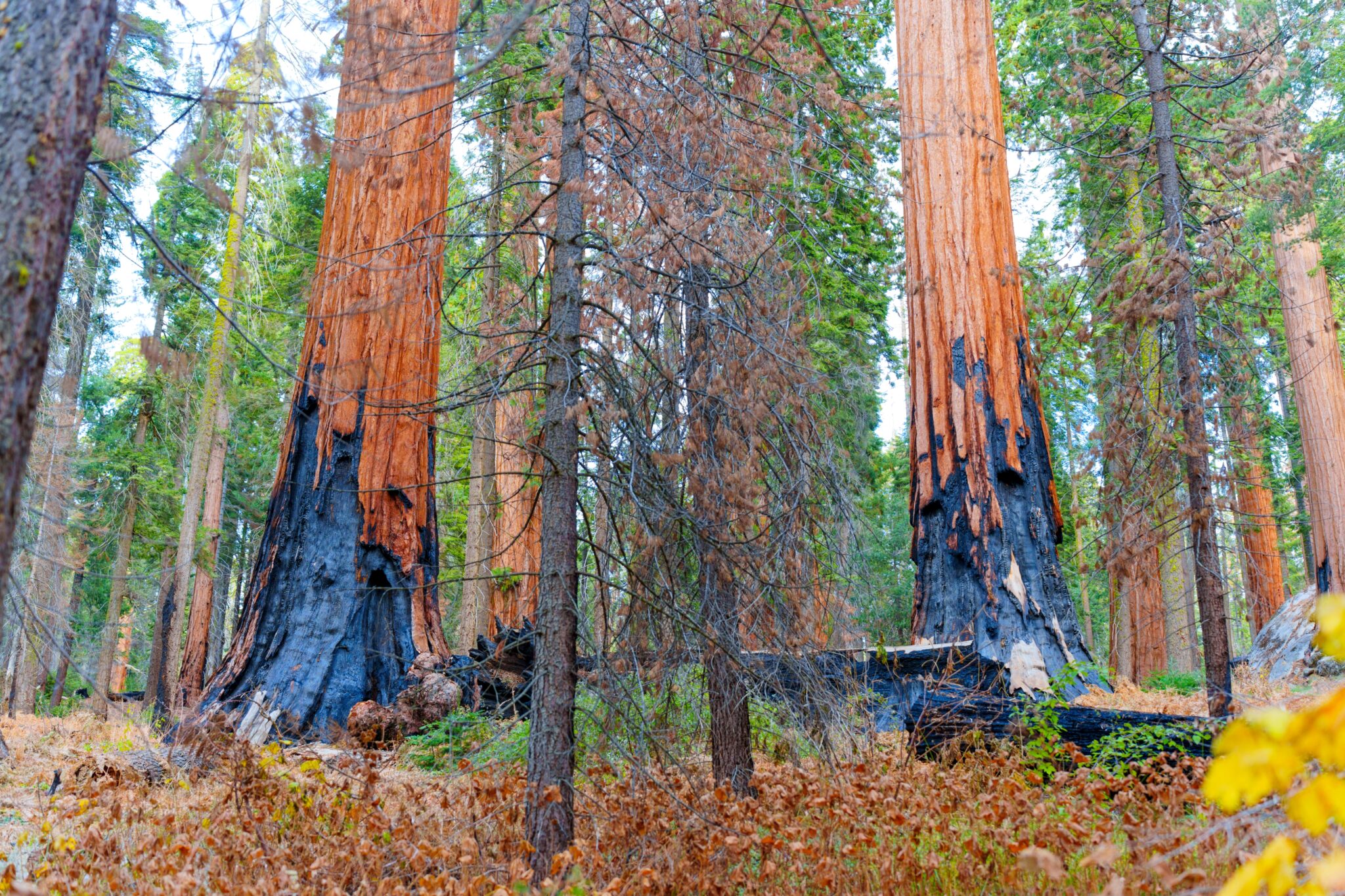
    Fire is a natural and necessary component of many ecosystems. Many forests, like those in the western provinces and states, have evolved to depend on periodic wildfires to regenerate plant life. Controlled burns and natural wildfires help clear dead vegetation, enrich the soil and even reduce unwanted pests. Many tree and other plant species rely on fire to release seeds and begin the germination process. But when fire is mismanaged or prevented for too long, dry vegetation can accumulate and lead to more intense, uncontrollable wildfires. This delicate balance illustrates the importance of responsible fire management.
  3. The Dangers of Wildfires
    California has experienced some of the most destructive wildfires in history, aggravated by climate change, prolonged droughts and human negligence. Fires over the past decade have burned tens of thousands of acres, destroyed entire towns and claimed many lives. These fires were fueled by dry conditions, extreme winds and an abundance of very dry and flammable vegetation and other materials.
  4. Human Negligence and Fire-Related Disasters
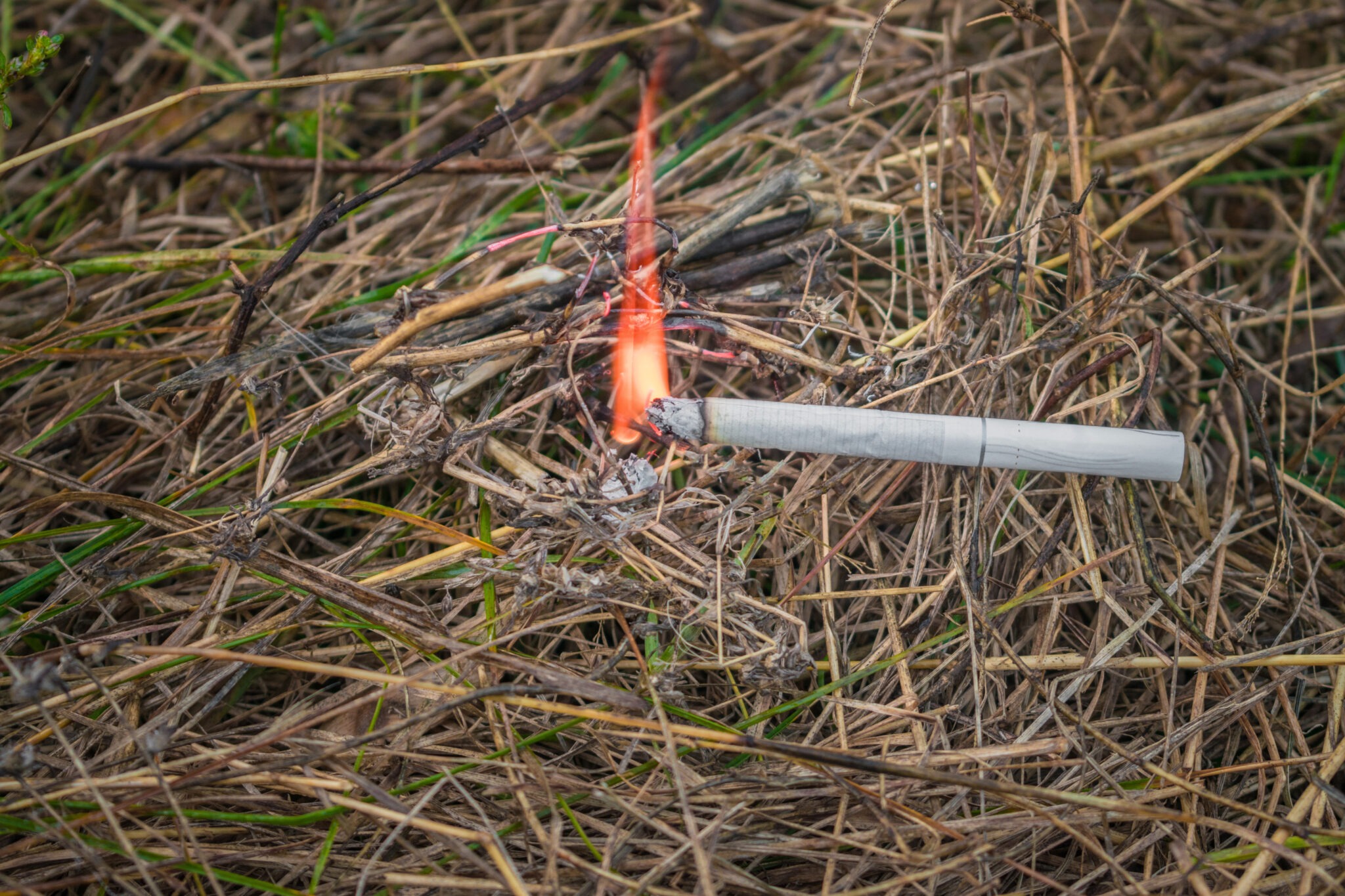
  5. Many wildfires are caused by human activity such as unattended campfires, discarded cigarettes and power line failures. Faulty electrical equipment has been responsible for deadly fires, demonstrating how even large-scale infrastructure can contribute to fire disasters if not properly maintained. Beyond wildfires, household fires also pose significant risks. Cooking accidents, improper wood burning techniques, overloaded electrical circuits and even candle mishaps are common causes of home fires. A heightened awareness of fire safety and safe fire practices would help prevent many heartbreaks each year.
How to Use Fire Responsibly at Home & Outdoors

Prudent homeowners and landlords should keep fire extinguishers accessible, regularly assess electrical wiring, routinely inspect and clean chimneys and use fire-resistant building materials whenever possible.

Here are some essential fire prevention tips for everyone in the household to follow:

  • Never leave cooking unattended.
  • Use a fireplace screen to contain sparks and inspect and clean your chimney at least once a year.
  • Keep flammable items away from heat sources.
  • Install smoke alarms and test them regularly.
  • Never leave a burning candle unattended.

Responsible fire use outdoors is equally important. When enjoying campfires and barbecues follow these guidelines:

  • Build fires in designated areas with fire-resistant surroundings.
  • Keep water or an extinguisher nearby.
  • Fully extinguish fires before leaving.
  • Always obey local fire bans and restrictions especially during dry seasons.

Fire and the Environment

In many fire-prone regions, the role of a controlled burn, sometimes called a “prescribed’ burn, will help to reduce wildfire risks by eliminating excess dry vegetation. Over the years many cultures, and today many communities, practice controlled burns to maintain healthy landscapes. Modern fire management agencies recognize and incorporate these traditional techniques into their planning.

How Mismanagement Leads to Destruction

When fire suppression policies prevent natural burns for too long, forests accumulate dangerous amounts of flammable material. This can lead to megafires, that burn hotter and longer than a traditional wildfire, making them harder to control and more damaging to ecosystems and often leading to significant property loss.

These tips to will help reduce fire hazards in communities:

  • Create defensible space around homes by clearing dry brush and debris.
  • Use fire-resistant landscaping.
  • Advocate for local fire prevention programs and controlled burns.
  • Report any perceived fire hazards or suspicious activities to the authorities.

Lessons from California Wildfires

There have been volumes written about the common mistakes that led to the wildfire devastation and loss of life in California. You might be asking, “Are there things that I can do or encourage others to do to help prevent wildfires? Is there a potentially dangerous situation that I know of, that warrants a call to local authorities?”

Here are several items that could play a significant role in reducing the future risk of destructive wildfires:

  • Clear away flammable vegetation. Many properties lost in wildfires lacked proper defensible space.
  • Firebreaks can help protect communities and sub-divisions and slow the spread of wildfires.
  • Ignoring or delaying evacuation orders have led to tragic loss of life.
  • As more homes are being built in wildfire-prone zones, urban expansion has significantly increased the risk.
  • Poor power grid maintenance and aging electrical infrastructure has sparked several deadly fires.
  • Careless use of smoking materials and poor open burning practices.
  • Parking a vehicle on dry grass.
  • Unsecured loads in a vehicle. I have a friend whose garage burned to the ground with a pickup truck and considerable personal property inside it. A semi failed to properly secure a load. A chain dragging on the pavement sparked a grass fire that spread to the garage. Thankfully, the fire department was able to save his home.
  • Strict enforcement of fire safety requirements and public education campaigns.

Human Action vs. Natural Causes

While lightning strikes and dry conditions often trigger wildfires, human activity remains the leading cause. In California, nearly 90% of wildfires are linked to human behavior, from abandoned campfires to sparks from vehicles. Public awareness and proactive measures will greatly reduce these occurrences.

The Importance of Preparedness and Fire Prevention Education

California has implemented new fire-resistant building codes, stricter utility regulations and expanded emergency response strategies. But individual responsibility remains a critical component. Wildfire education, emergency planning and personal fire-safe habits all contribute to reducing fire risks.

Develop a Home Emergency Plan

A discussion about fire, whether it’s a wildfire or a home fire, would not be complete without reviewing several safe fire practices with your family and friends.

According to the U. S. Fire Administration, residents have roughly two minutes to get out of a house once a smoke alarm sounds. Another reason why is so important to quickly respond to evacuation orders in the case of a wildfire that’s out of control.

Every second counts during a fire. Tonight, would be a great time to assess fire emergency plans with your family. These should include:

  • Develop and practice an emergency plan.
  • Find at least two ways out of each room, especially bedrooms. A second way out of an upstairs bedroom should include an escape ladder. Make sure the kids know where it is and how to deploy it.
  • Be sure that windows and doors are not blocked with furniture, clothes or other household items.
  • Practice getting low and crawling to an exit in case there is a lot of smoke.
  • Choose a place in front of your home to meet all members of your family.
  • Practice your home emergency fire drill, particularly with younger children.

If you’re in an apartment:

  • Know where the stairs and emergency exits are located.
  • Leave and close the door behind you.
  • Pull the fire alarm on your way out.
  • Don’t use the elevator, get to the stairs.
  • Gather at an outside meeting place and stay put.
  • Tell the fire department if you’re aware of someone still in the building.

Respect Fire for a Safer Future

Please share this article with family, friends and co-workers to help spread fire safety awareness.

Encourage them to implement responsible fire practices at home and outdoors. And by all means, support local fire and police departments and national fire prevention initiatives.

We all know that fire is an incredibly powerful and essential force, but it demands respect and responsible use by everyone. By learning from past disasters with home and wildfires, adopting safer fire practices and promoting fire education, we can harness fire’s benefits without succumbing to its dangers.